12. Claude Code in 2025
Highly Agentic Command Line Application for Professional developers
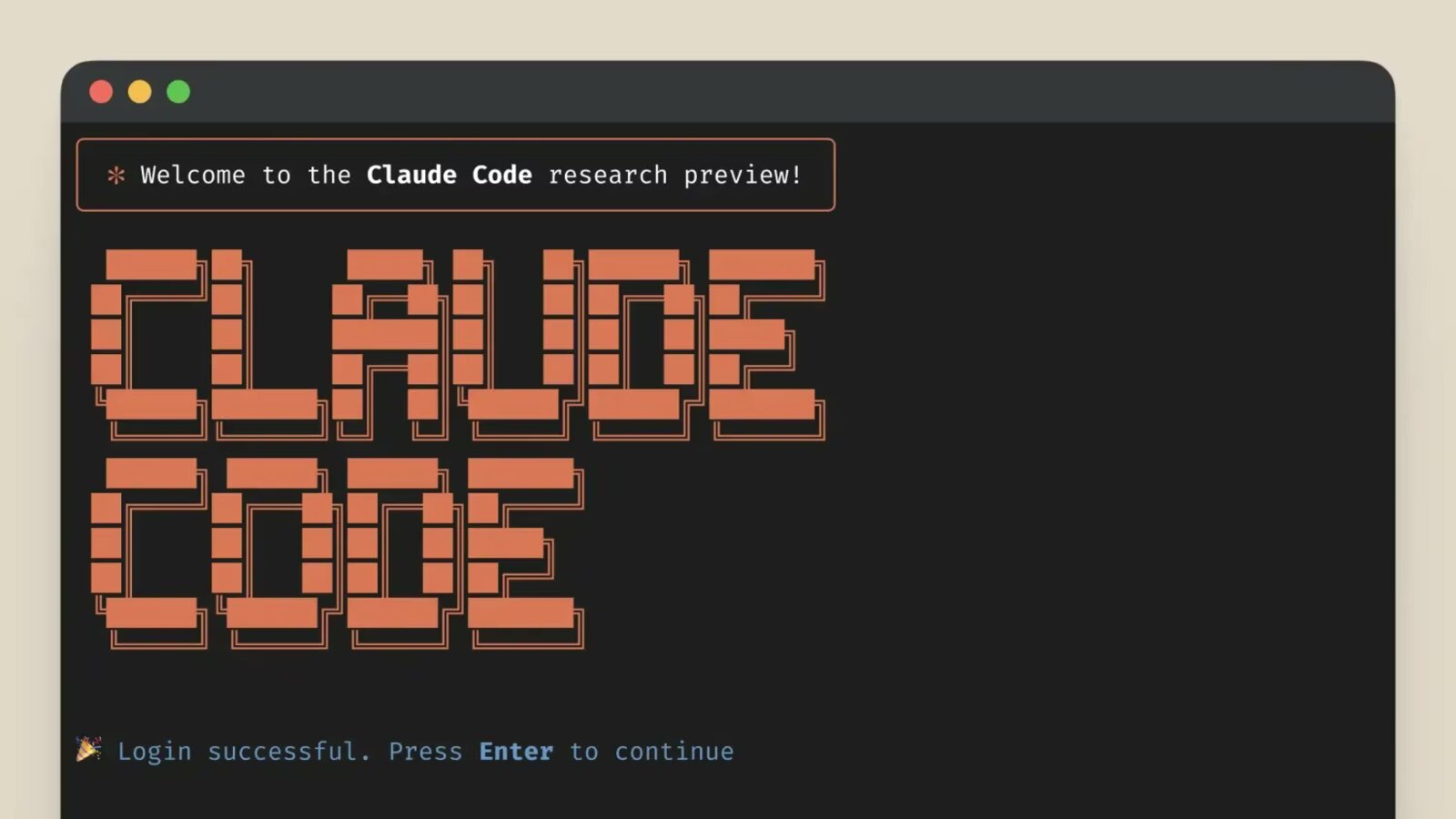
After completing the Claude Code course on DeepLearning.AI, I wanted to share how this tool has transformed my development workflow. As an intermediate developer who loves command-line efficiency, the promise of “learning prompts instead of commands” immediately caught my attention.
Course Resources
This Article - Permanent link to this blog post: 🔗 guleria.ai/blog/Claude-Code-Agent
DeepLearning.AI Blog - Latest updates and announcements: 🔗 www.deeplearning.ai/the-batch
DeepLearning.AI Platform - Explore all AI courses and learning paths: 🔗 learn.deeplearning.ai
Claude Code Course - Direct link to the course introduction: 🔗 Claude Code: A Highly Agentic Coding Assistant
What I Learned
The course breaks down Claude Code’s capabilities into three skill levels, each building on the last:
Foundation Skills
- Simplicity Wins - Simple one-line prompts consistently outperformed my initial complex instructions
- Visual Debugging - Screenshot processing is genuinely magical—drop in an error screenshot, get targeted solutions
- Privacy-First - Local codebase search provides privacy while maintaining AI assistance
- GitHub Integration - Seamless workflow integration feels like having a code reviewer available 24/7
Full-Stack Development
- Persistent Memory - CLAUDE.md for session memory transformed my long-term project workflows
- Complete Workflows - Orchestrates entire development cycles autonomously, not just code generation
- One-Command Apps - Creating functional web apps with single commands still feels like magic
- Data Science Power - Dual-output for Jupyter notebooks AND Streamlit dashboards is a game-changer
- RAG Implementation - Complex retrieval-augmented generation systems became approachable
Advanced Workflows
- MCP Integration - Model Context Protocol connections opened up new tool integration possibilities
- Parallel Development - “4-in-1 developer” experience through Git worktree with automatic merge conflict resolution
- Figma-to-NextJS - Transform Figma mockups directly into functional NextJS applications seamlessly
- Automated Testing - Playwright MCP server handles complex web automation with minimal effort
Real Impact
Productivity gains:
- Development speed: 3-4x faster for new projects
- Debugging time: 60% reduction
- Testing coverage: Significantly improved with automated approaches
I’ve shifted from imperative to conversational programming, adopting autonomous development patterns across every phase. The VSCode integration provides Claude Code’s full power within a traditional IDE, reducing the learning curve while maintaining all capabilities.
Where I’m Using It
Since completing the course, I’ve applied these skills to:
- Enterprise Projects - Privacy-respecting code analysis and improvement
- Data Analysis - End-to-end pipelines from Jupyter to production dashboards
- Web Development - Rapid prototyping from design to deployment
- Testing Strategy - Comprehensive automated testing implementation
- DevOps Workflows - Integrated CI/CD pipeline management
Who Should Take This Course
This course is ideal for intermediate to advanced developers, command-line enthusiasts, data scientists seeking workflow automation, and teams exploring AI-assisted development. The practical, hands-on approach ensures you’re implementing real solutions, not just learning theory.
Final Thoughts
The Claude Code course on DeepLearning.AI transformed how I approach software development. It’s not about replacing developers—it’s about amplifying human creativity through intelligent, autonomous systems. The future of coding is conversational, and this course provides an excellent roadmap for mastering these emerging capabilities.
Start the course on DeepLearning.AI and explore their full catalog of AI courses at learn.deeplearning.ai.